Lifestyle Medicine's Missing Ingredient: Continuous Insight Between Visits
Behavior change, adherence, and long-term outcomes are shaped in the days and weeks between visits, when patients navigate real life.
HealthBook+
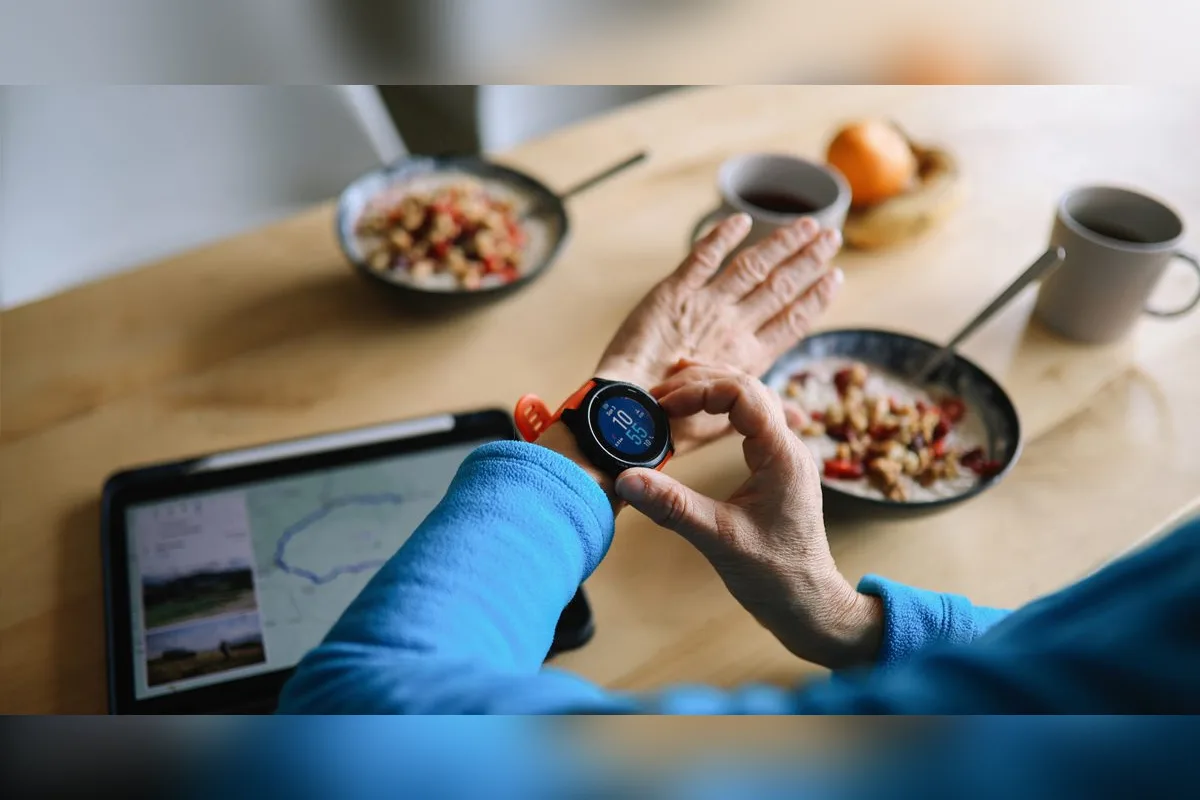
Lifestyle medicine depends on far more than what happens during an office visit. Its success is shaped by context, continuity, and engagement over time. Yet, most healthcare tools remain built around point-in-time snapshots. A visit generates notes. A lab produces a result. A wearable logs data. Then everything goes quiet until the next appointment.
That silence is where lifestyle medicine often struggles to deliver on its promise.
Behavior change, adherence, and long-term outcomes are shaped in the days and weeks between visits, when patients navigate real life. Without ongoing insight and support, even the most thoughtful care plans can lose momentum. HealthBook+ was designed to close that gap by turning continuous data into continuous understanding, with PaiGE™ at the center as a personal, AI health companion that supports progress between visits and helps clinicians respond sooner and more effectively.
Between Visits: Where Outcomes Are Won or Lost
Most health outcomes are shaped outside the exam room. Lifestyle medicine, preventive care, and chronic disease management all depend on what happens between visits. Yet traditional systems still capture only fragments of that story, rather than supporting true longitudinal care.
Effective care requires both clinical history and continuous visibility into daily health behaviors. Two categories of insight contribute foundationally to outcomes. One is point-of-service data, including EHR information, labs, imaging, medications, and encounters within the healthcare system. The other is point-of-living data, which reflects how health is lived day-to-day. Step count, physical activity, glucose, blood pressure, weight, connected devices, journaling, and patient-reported experience across lifestyle pillars provide essential context.
Taken together, these inputs form a foundation of longitudinal data that supports follow-through. Instead of asking patients to remember what changed or guessing why progress stalled, clinicians gain real-time insight into patient behavior and trends. Patients receive guidance that reflects their reality rather than generic advice.
This approach aligns with growing evidence that continuous, data-driven engagement improves adherence and outcomes. A recent study in the Journal of Patient Experience shows that real-time, integrated data enables proactive support that improves continuity of care and treatment adherence. Rather than reacting after disruptions occur, precision engagement strategies identify risk earlier and deliver the right support at the right time. In chronic conditions, these approaches have been associated with adherence improvements of up to 30 percent, along with higher patient satisfaction and reduced anxiety.
Lifestyle medicine faces the same challenge. Knowing what to do is rarely the problem. Sustaining behavior change over time is.
Closing the Gap Between Knowing and Doing
The gap between knowing and doing remains one of healthcare’s most persistent challenges. Patients may understand their goals, but habits, motivation, stress, and competing demands often derail progress. This is especially true for lifestyle changes, which depend on repeated daily decisions rather than a single intervention.
Wearable data, journaling, and digital nudges help bridge that gap when they are timely, personalized, and connected to the care plan. Instead of vague goals, patients receive specific, achievable next steps that fit into daily life. Instead of waiting weeks to adjust course, clinicians and patients can respond to trends as they emerge.
Rian Wendling, Solutions Director at HealthBook+, shared a simple example from his own experience that illustrates the value of context.
“I’ve had a vitamin D deficiency show up in my lab work for years, but I never really understood why it mattered. It was just another data point that sat there without context,” he says. “After I started journaling about how often I was getting sick, PaiGE connected the dots and explained how vitamin D deficiency can affect the immune system’s ability to respond to viruses. In that moment, it became clear why this mattered to me, not just in theory, and it helped me take the issue seriously and follow up with lifestyle-based steps to address it.”
The numbers were always there. What made the difference was understanding why they mattered and when to act. Context transformed a lab result into a clear reason to make a change.
That kind of support is important because clinicians cannot realistically provide that level of guidance between visits.
“As clinicians, unfortunately, we don’t have the time to go and hold every patient’s hand out in the world,” Wendling says. “But PaiGE has all the time in the world.”
That distinction matters. Lifestyle medicine works best when patients feel supported between visits, with guidance that reinforces clinical recommendations rather than replacing them.
Continuous Insight Supports Engagement and Trust
Continuous insight also changes how patients engage with their care team. When patients have access to reliable, personalized health information, they become more confident, more engaged, and less reactive.
Dr. Amy Mechley, a family medicine physician and lifestyle medicine leader, sees this shift clearly in her practice.
“They’re not pinging me anymore with ‘Hey, did you see that Newsweek thing?’” she says. “They’re asking PaiGE, and I’m trusting PaiGE because I know PaiGE stays in the house of medicine.”
That trust is critical. Many patients want to be informed, but the internet often increases confusion rather than clarity. A trusted, context-aware companion reduces noise and keeps patients aligned with evidence-based guidance and clinician recommendations.
Research in digital lifestyle medicine supports this model. A study in the American Journal of Lifestyle Medicine shows that digital and virtual tools extend care into the context where lifestyle behaviors occur. Ongoing engagement, self-monitoring, and timely feedback reinforce awareness and accountability, two key drivers of sustained behavior change.
HealthBook+ operationalizes these principles by integrating daily inputs into a continuous feedback loop. Patients see patterns emerge. Clinicians see trends instead of isolated events. Both gain confidence that progress is visible, measurable, and actionable.
Continuity Reduces Burden and Improves Outcomes
Continuous insight is not only about nudges and metrics. It is also about continuity across a fragmented healthcare system and enabling true longitudinal care.
Patients move between providers, travel, and seek care in unfamiliar settings. Without a patient-owned source of truth, critical context can be lost. Continuous access to a unified health record reduces the risk that decisions are made without full information.
Dr. Mechley shared a powerful example involving a patient with complex autoimmune conditions who had been coordinating care across seven specialists for nearly a decade. The patient carried files, folders, and paper records, and served as her own quarterback because systems did not communicate. Before HealthBook+, Mechley estimated it took five or six visits just to organize the story well enough to coordinate care.
After adopting the platform, the patient could generate summaries for specific specialists and even ask targeted questions like, “What are the top three or five questions I should ask my cardiologist?” As Mechley put it, “She now has the tools to take that weight off of her shoulder.”
That relief matters. Chronic disease management is mentally taxing. Reducing cognitive burden improves engagement, adherence, and quality of life. Continuous insight allows patients to focus on living, not managing paperwork.
The Missing Ingredient for Scalable Lifestyle Medicine
Lifestyle medicine aims to prevent, manage, and reverse chronic disease at scale. Achieving that vision requires more than episodic care. It requires relevance, engagement, sustainability, and effectiveness in daily life.
Digital lifestyle medicine research emphasizes that ongoing engagement, self-efficacy, and support are essential for meaningful behavior change. HealthBook+ extends these principles by uniting clinical data, daily inputs, and AI-driven insight into a single experience that follows the patient everywhere.
Continuous insight transforms snapshots into stories. It turns data into direction. It supports adherence not through pressure, but through understanding.
Lifestyle medicine is powerful when providers understand the whole person. Continuous insight ensures that understanding does not stop when the visit ends.
Continuous insight keeps care moving forward between visits.
But it all starts with clarity at the point of care. Explore why a unified patient story is the foundation of better decisions, stronger trust, and more effective care.